


Most businesses misunderstand support automation. They picture a robot replacing the whole team. What actually works is far simpler: the AI clears the queue of questions whose answer never changes, so humans have time for what genuinely matters.
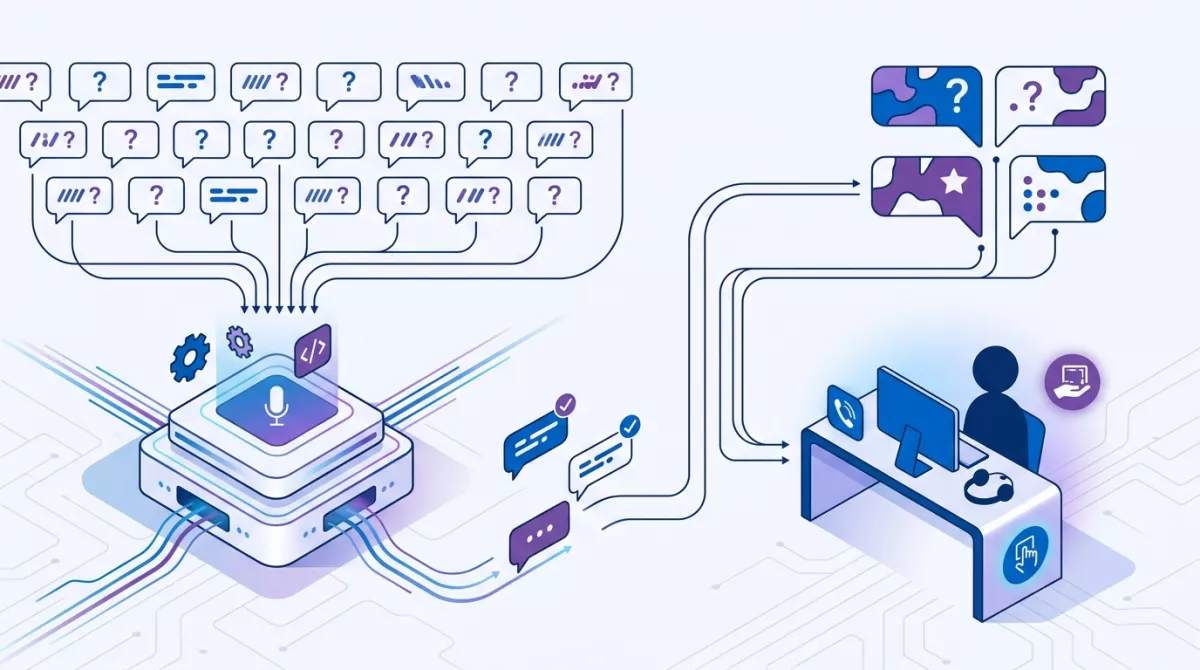
If you ever read a full day of your own business inbox, the pattern becomes obvious. Most messages are not sales conversations; they are the same administrative questions repeating: how much is it, is it in stock, what is shipping to my city, where are you located, what time do you open, has my order shipped.
Triage first, automate second
The first step is not picking a tool, it is grouping the messages you receive. Take one week of conversations and sort them into the three groups below. This sorting determines how much benefit you will actually get.
| Group | Examples | Who handles it |
|---|---|---|
| Definite answers | Price, stock, shipping cost, opening hours, delivery status | AI, fully |
| Needs context | Product recommendations, plan comparisons, requirement consultations | AI prepares, a human closes |
| Needs authority | Complaints, refunds, price negotiation, emotionally charged issues | Human, immediately |
For most retail and service businesses the first group alone covers roughly half of all incoming messages. That means half the support workload can disappear without a single customer feeling handled by a machine — because “how much is shipping to my city?” does not need empathy; it needs a fast, correct answer.
Why old chatbots failed and AI agents work
Older chatbots ran on decision trees: press 1, 2 or 3. The problem is that customers do not speak that way. They type “do you have this in black, size L?” and a menu-based bot hits a wall immediately.
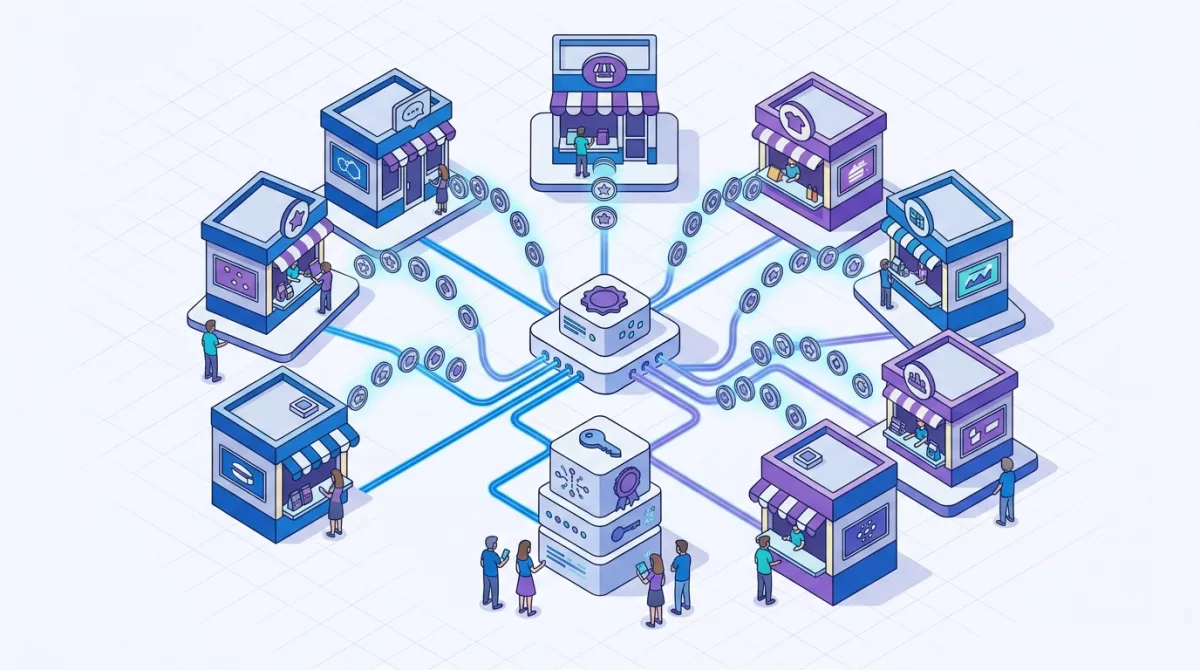
A modern AI agent works differently because it reads your actual data. It connects to the product catalogue, stock, shipping tables and order history, then composes an answer from them. This is the knowledge-grounded approach: the AI is not inventing, it is reading.
The decisive difference: A chatbot answers from a script you wrote. An AI agent answers from data you own. Which means the quality of your AI agent is determined less by the model and more by how clean your catalogue and stock data are.
Preparing data so the AI does not get it wrong
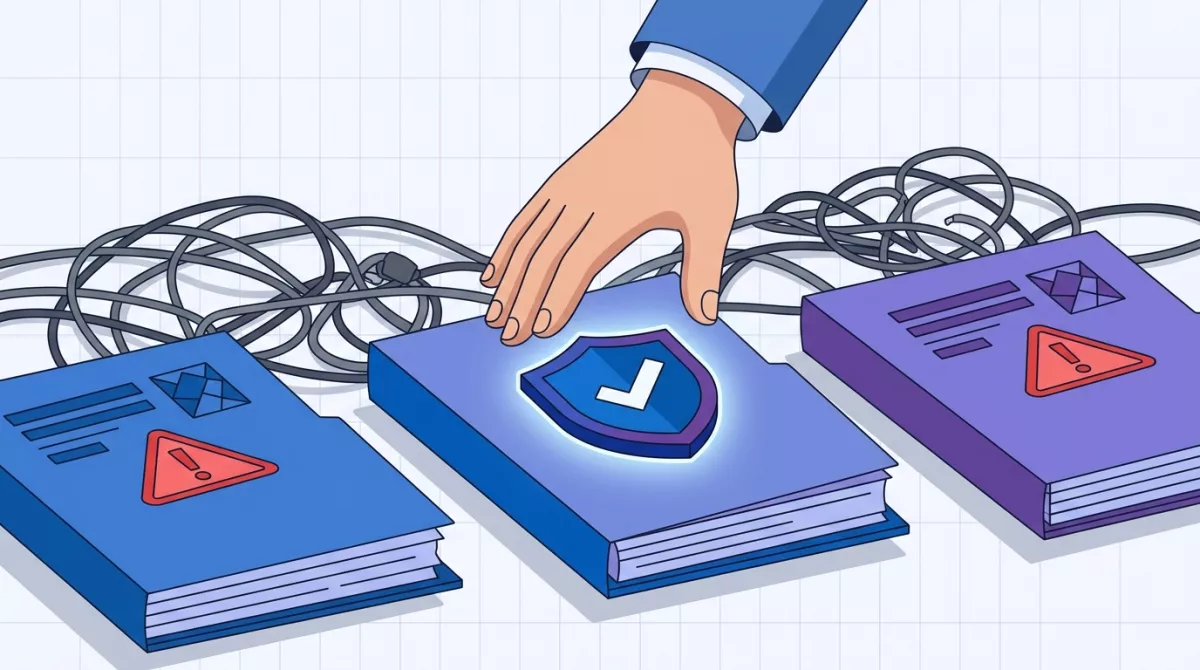
This is the most skipped step and the most common source of disappointment. AI answers confidently, including when the underlying data is wrong. Before switching automation on, clean up these four things.
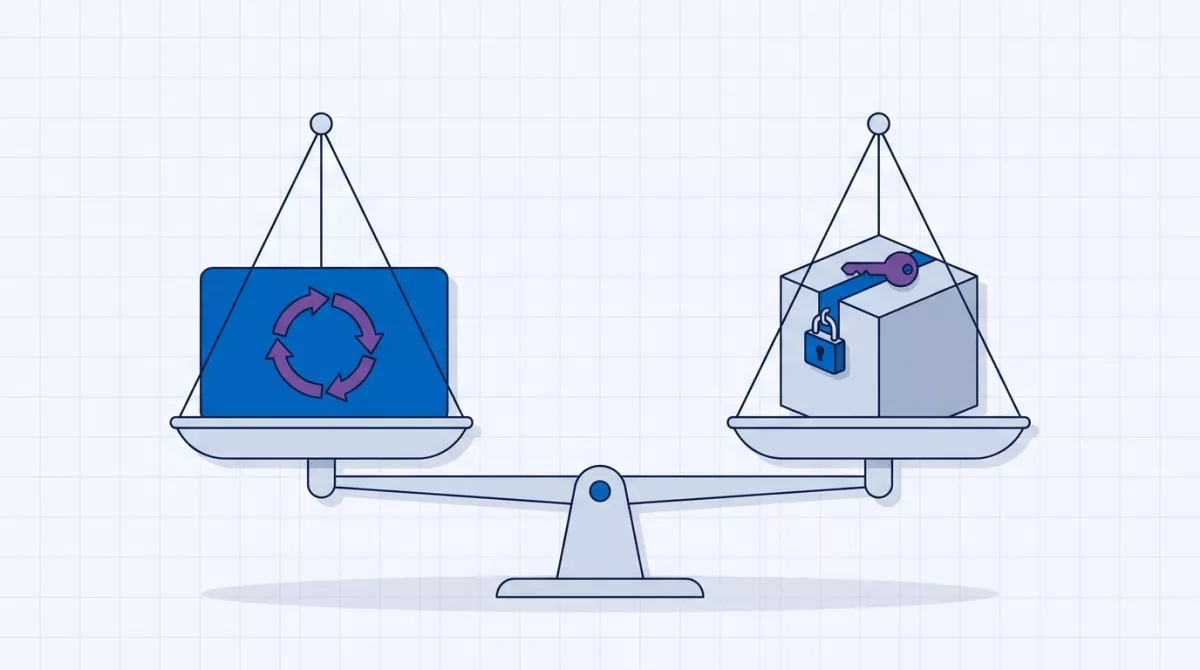
A rule you must not break: The AI must never promise what you cannot deliver. Limit its authority explicitly — it may quote prices but not grant discounts; it may state shipping estimates but never guarantee an arrival date.
Escalation rules: when the AI must step aside
A good automation is judged by how quickly it gives up. Define escalation triggers upfront and make the handover to a human feel seamless rather than like being tossed around.
- The customer asks for a human. Asked once, transfer immediately and unconditionally.
- The AI fails twice in a row. If two answers have not resolved it, do not attempt a third.
- Signs of frustration or complaint. Words like disappointed, broken, wrong item or report should trigger transfer instantly.
- High-value transactions. Set a threshold; above it, a human closes the sale.
- Outside working hours. The AI still answers but flags the conversation for human follow-up in the morning.
Measuring the result
Do not measure success by how many messages the AI answered. That number is pleasant and meaningless. Measure four things: first response time, share of conversations resolved without a human, escalation rate, and most importantly conversion from conversation to transaction.
If response time falls but conversion falls with it, your AI is fast without helping you sell. If escalation is very high, the triage groups above were not drawn correctly and need revising.
Frequently Asked Questions
The CSHub AI agent reads your product, stock and shipping data, answers within seconds, and can create transactions directly — with escalation rules to your human team that you define yourself.
Explore CSHub