


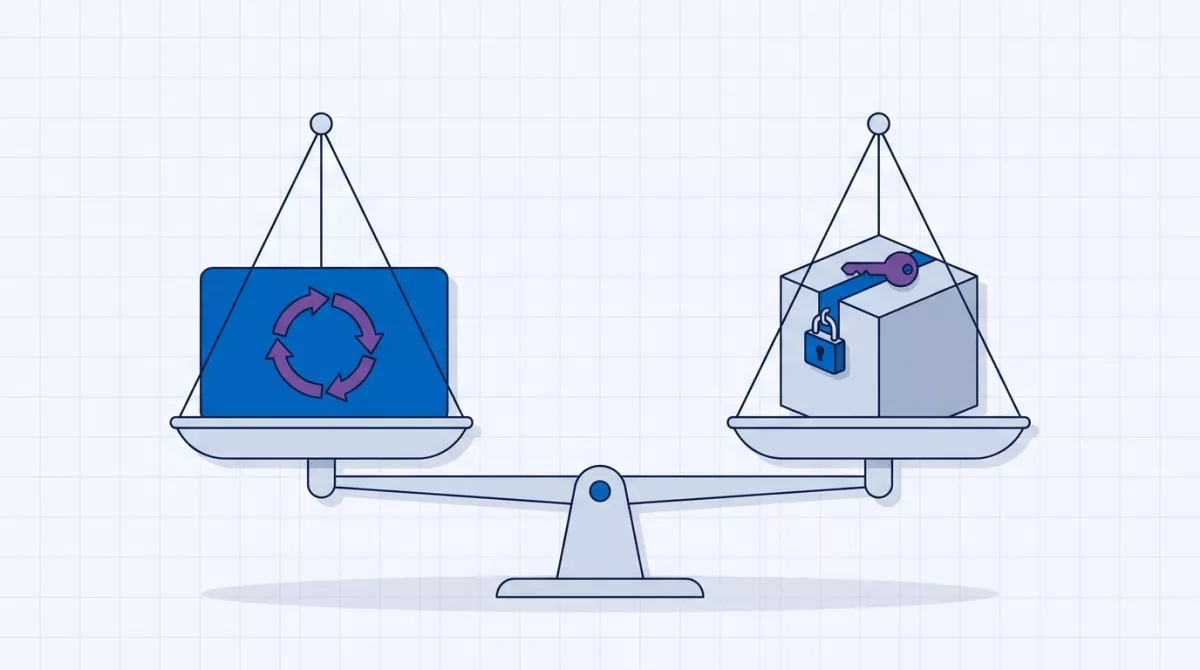
This question appears in nearly every system procurement discussion, and it is almost always answered the wrong way — by comparing numbers. The two options answer different goals, not different prices.
Renting answers “how do I go live next week without dealing with technical work?” Buying source code answers “how do I own an asset I can extend and sell under my own name?” If your goal is the first, buying source code is waste. If your goal is the second, renting is a dead end.
What you are actually buying
| Aspect | Renting (monthly SaaS) | Buying source code |
|---|---|---|
| Upfront cost | Small, starts at a low monthly fee | Large, from a few million to tens of millions IDR |
| Long-term cost | Continues forever and usually rises | Stops; only servers and maintenance remain |
| Ownership | You rent access | The system becomes a company asset |
| Customisation | Limited to what is offered | Open, limited only by your technical capacity |
| Branding | The provider's brand | Fully your own brand |
| Reselling | Usually prohibited | Possible, and often the business model |
| Technical responsibility | Sits with the provider | Moves to you |
| Main risk | Service shutdown or price increases | Nobody maintaining the system |
When renting is the right call
Renting makes sense when you want to use rather than own. The signs are clear: your requirements are standard, you have no technical staff in-house, and you want the system running this week.
One advantage of renting is consistently underrated: the cost of choosing wrong is small. If the system does not fit how your team works, you cancel and lose a few months of fees. Choose the wrong source code and you lose the entire investment.
Practical advice: For a category of system you have never used before, rent for at least three months first. Real usage tells you which features genuinely matter — information no demo will ever give you.
When buying source code makes more sense
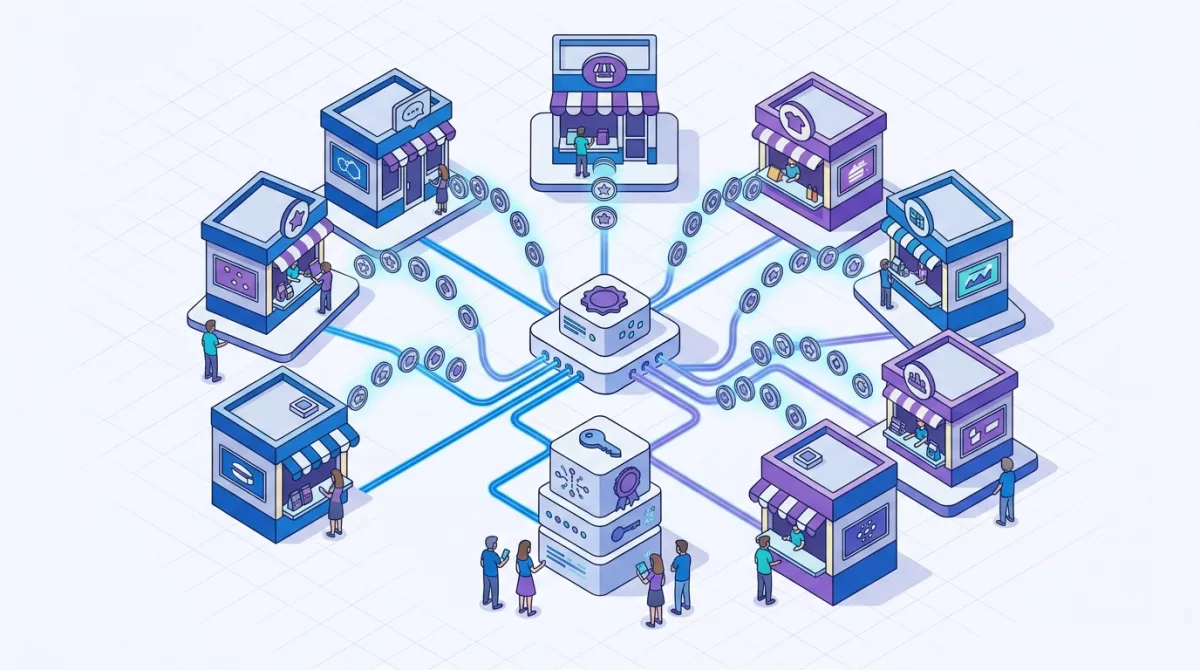
Buying becomes the right decision in three situations. First, when you want your own brand and refuse to sell something carrying another company's name. Second, when your process is distinctive enough that standard systems always feel forced. Third, and this is the one most often missed, when you intend to resell it.
That third point is what turns an expense into an investment. A multi-tenant system bought once can serve your own operation while being rented out to many clients. The cost is fixed; the income recurs. Past a certain point the system stops being overhead and becomes a business line.
The biggest trap when buying source code: Buying without a plan for who maintains it. Software is not a machine you can leave alone; it needs security updates, adjustments when third-party services change, and fixes when bugs appear. Budget maintenance from day one.
How to compare honestly
Compare across three years, not one month. For renting, multiply the monthly fee by thirty-six and add an assumed annual increase. For buying, add the purchase price to three years of servers, maintenance, and further development.
Then add the question no spreadsheet asks: at the end of year three, what do you own? For renting the answer is nothing. For buying, the answer is an asset you can still use, modify, or monetise.
Frequently Asked Questions
MDH offers systems you can rent monthly to start quickly, or buy the source code of and turn into your own brand and business line.
Browse the Catalogue