


The phrase “digital franchise” is often used to sell a dream. Here is the honest version, including the parts that usually go unmentioned.
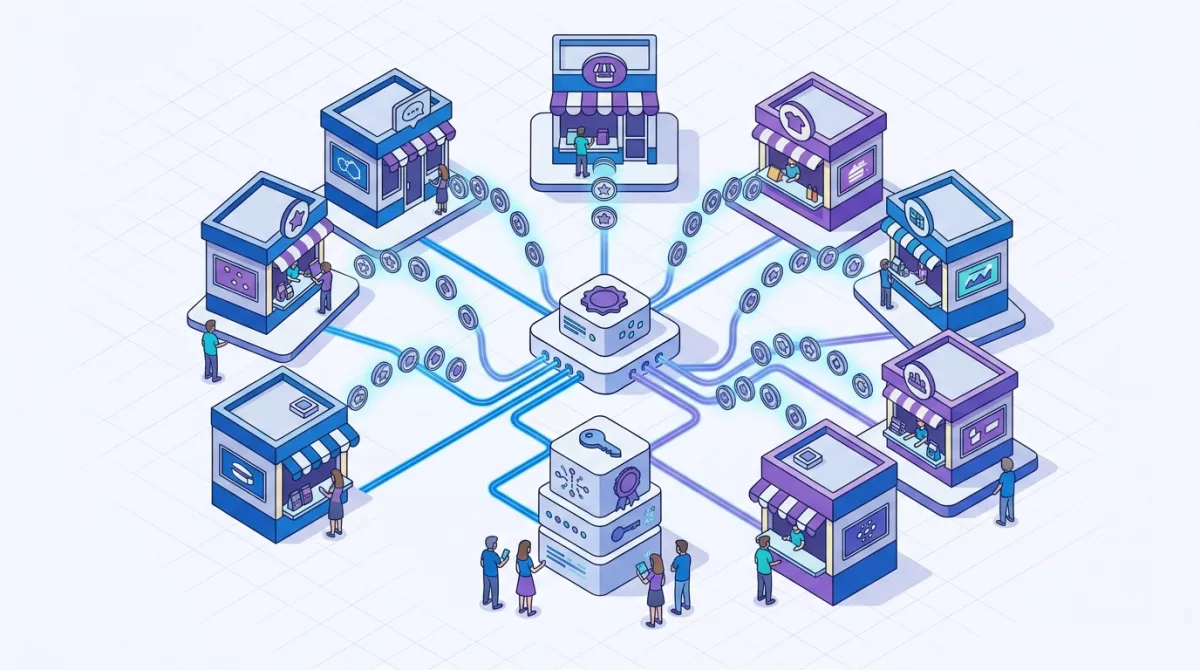
The model is simple at its core: you buy a software system once, put your own brand on it, then rent it to many customers monthly. No stock piles up, no premises to lease, and the cost of adding an eleventh customer is nearly identical to the tenth.
Why the arithmetic differs from an ordinary business
In trading, every sale adds cost because the goods must be replaced. In services, every client adds hours. In this model, the main cost sits upfront and stays broadly fixed — what grows is only servers and support.
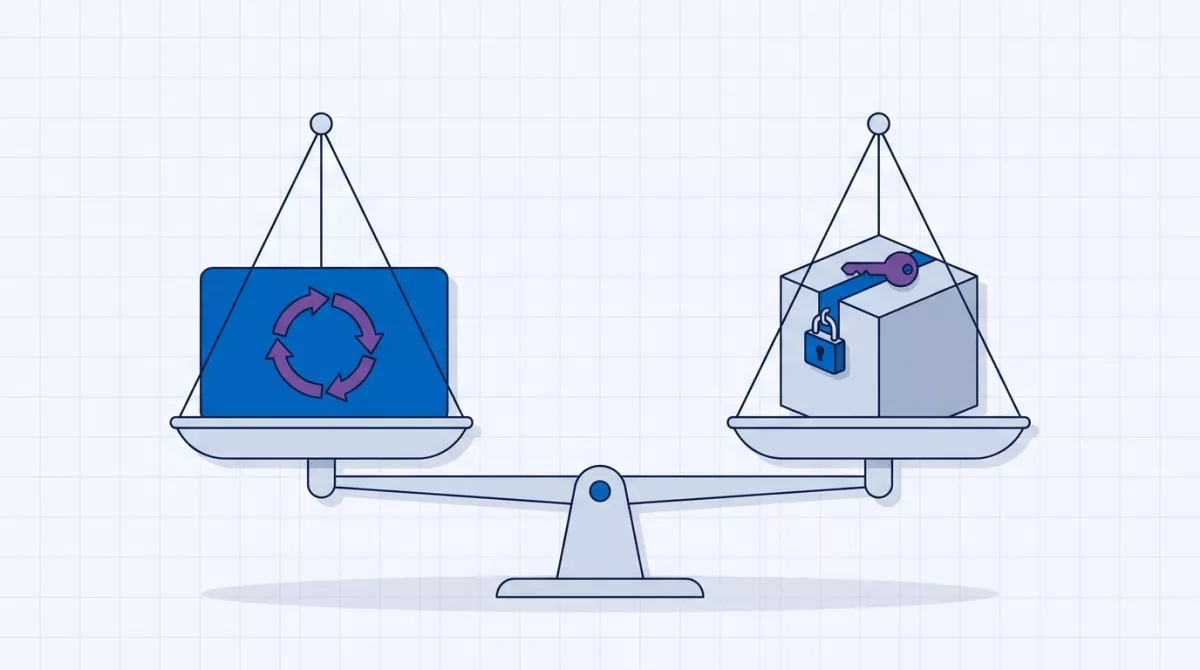
All the appeal of this model comes from those two columns. So does all the risk, because the break-even point is decided by how quickly you win customers, not by how good the system is.
How to run the numbers before buying
You only need three figures. First, the price of the system. Second, a realistic monthly rental rate in your market. Third, the running cost per month — servers, domains and your own time serving customers.
The break-even formula: Divide the system price by the margin between rental rate and running cost per customer, and you get the number of customers you need to break even. Under ten and the model makes sense. Above fifty and you are buying a job, not an asset.
Four things rarely mentioned
- Selling is far harder than installing. The system can be ready within a week; building a sales channel takes months. If you do not yet have an audience or a network, that is the actual work.
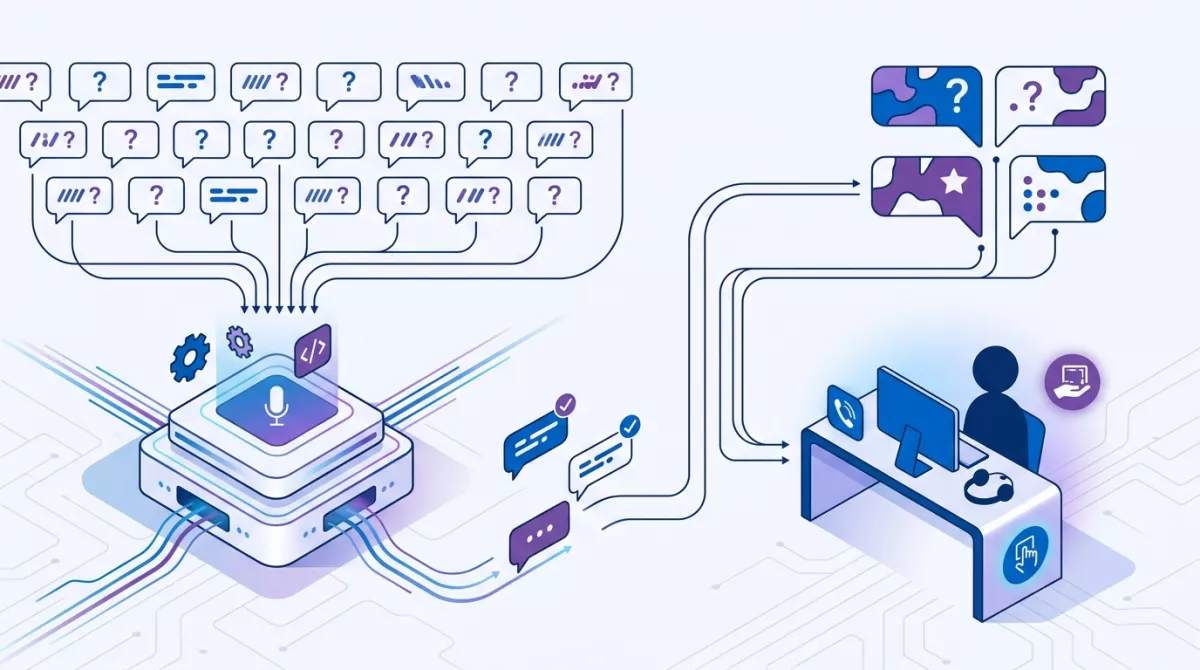
- Support is the largest hidden cost. Your first ten customers will ask a great deal. The better your documentation and onboarding, the smaller this cost becomes for later customers.
- Churn decides everything. Recurring revenue only recurs while customers stay. One customer who stays two years is worth far more than three who leave in month two.
- Systems need maintenance. Security updates, adjustments when third-party services change, bug fixes. Budget for it from the start, either as your own time or as a maintenance contract.
Choosing a system worth renting out
Not all software suits this model. There are technical requirements that cannot be negotiated, and market requirements that matter just as much.
Categories that usually work
| Category | Why it rents well | Note |
|---|---|---|
| CRM and business chat systems | Used daily and hard to abandon | Requires the most technical support |
| Point of sale and inventory | Becomes the operational backbone of a shop | Churn is extremely low |
| Online course platforms | Institutions rarely switch mid-cohort | Slower to sell but very durable |
| Invitations and event pages | High volume, technically light | Low value per customer, needs numbers |
| Ticketing and booking | Tied to daily operations | Seasonal, so watch cash flow |
A realistic first ninety days
- Days 1 to 14. Pick one segment you genuinely understand. Not “small business” — that is far too broad to sell to.
- Days 15 to 30. Install the system, rebrand it, and use it yourself on a real case. You cannot sell a system you have never used.
- Days 31 to 60. Find five first customers at a special price, on the condition that they give honest feedback.
- Days 61 to 90. Rework onboarding around the questions that came up most, and only then raise prices and add volume.
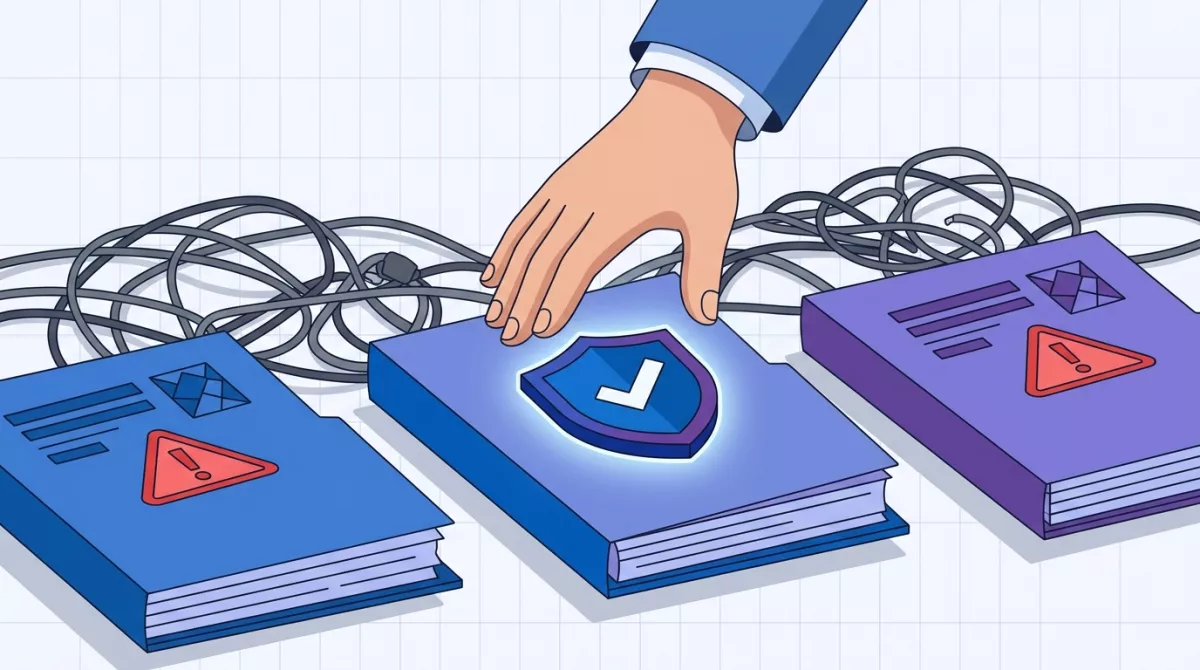
What makes this model fail: Buying the most complete system for a market you do not yet understand. A simple system that sells beats a sophisticated one sitting idle on a server.
Frequently Asked Questions
The MDH catalogue includes multi-tenant systems you can rebrand and run as your own subscription service, from CRM and point of sale to course platforms and digital invitations.
Browse the Catalogue