


If your revenue arrives through chat, then your inbox is your warehouse of money — and right now that warehouse is guarded by one person holding one phone.
This setup is extremely common and extremely fragile. One number, one admin, hundreds of messages a day. While things are slow it looks perfectly fine. The moment volume spikes — a campaign goes live, a season starts — every weakness surfaces at once.
Four leaks that never appear on a report
What makes this dangerous is that the losses never show up as a number. No line in your profit and loss statement says “revenue lost to unanswered messages.” Yet the amount is frequently larger than the monthly ad spend.
- Drowned conversations. A customer asks at 9pm, the message gets pushed down by forty others, and no one ever replies. That customer will not complain — they will simply buy elsewhere.
- Follow-ups that never happen. A prospect says “I'll let you know.” Nobody records it, nobody is reminded, and most of those opportunities quietly evaporate.
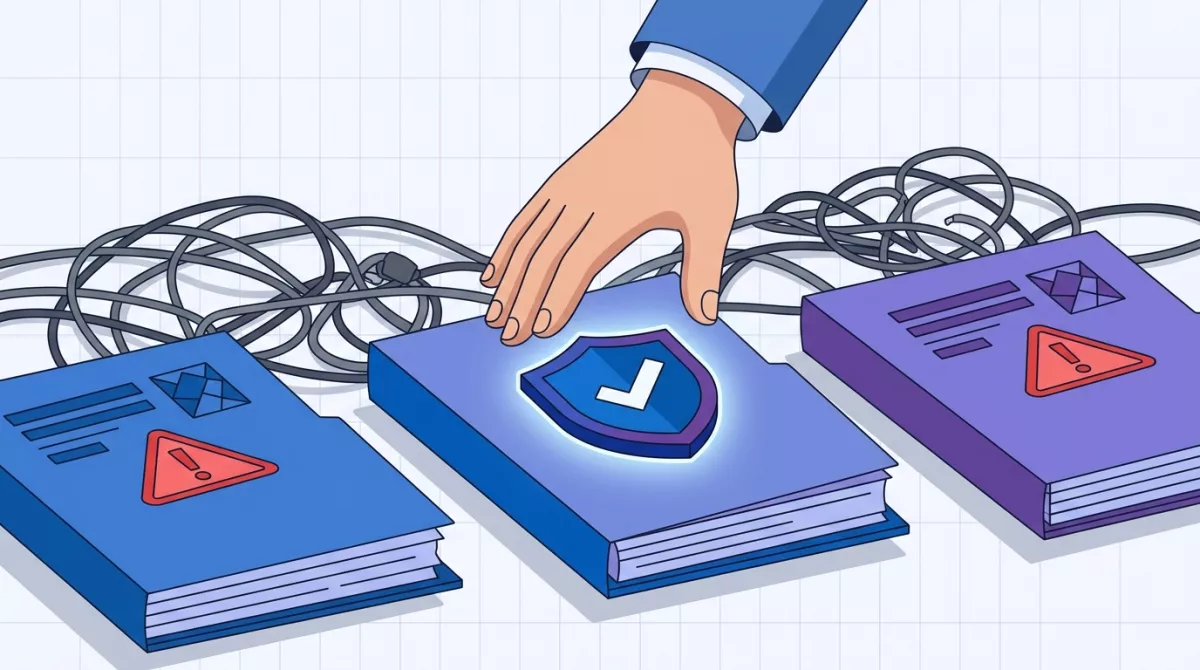
- Data that resigns with the staff. When the admin leaves, conversation history, special pricing notes, and personal rapport leave your company too.
- Zero visibility. You cannot say how many leads arrived this week, how many closed, or at which stage prospects most often stop responding.
The core problem: Chat apps are designed for conversation, not for selling. Chat stores sentences; your business needs data — who, wanting what, at which stage, and when to be contacted again.
What changes once you run a CRM
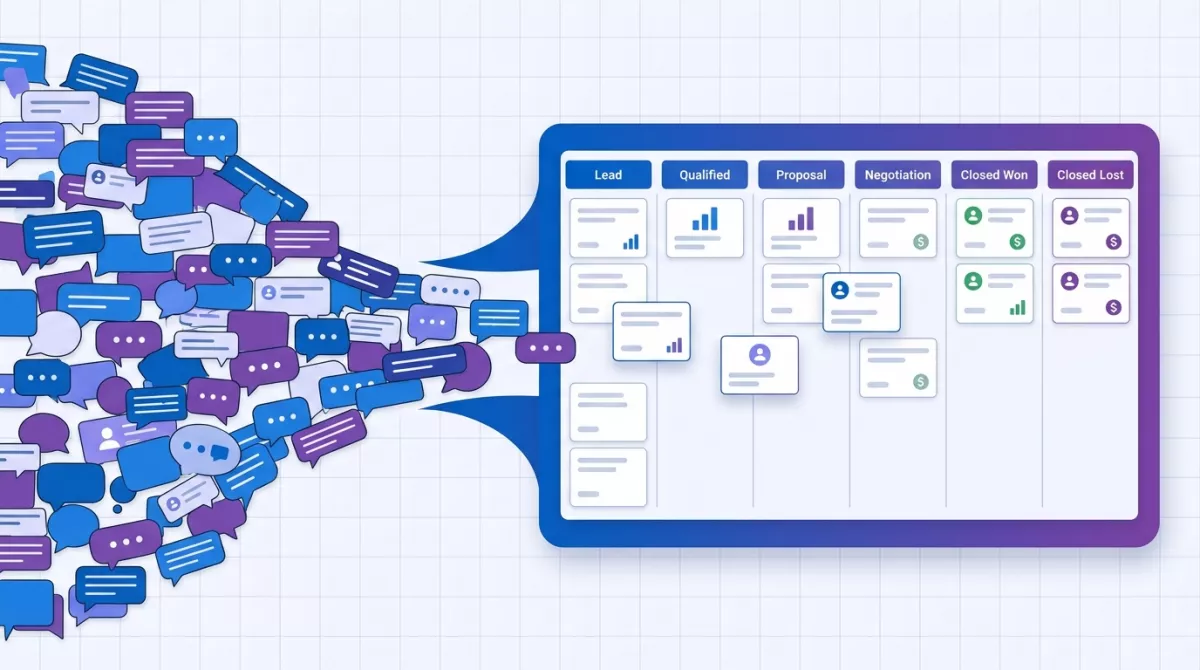
An omnichannel CRM turns conversations into objects you can manage. Every customer gets a card, every card has a stage, and every stage has an owner and a deadline. The conversation still happens on WhatsApp — what changes is what remains after it ends.
| Situation | Admin's phone | With a CRM |
|---|---|---|
| Messages arrive while the admin is away | They pile up until the admin returns | They route automatically to another agent |
| Prospect says “I'll get back to you” | Depends on the admin's memory | Scheduled as a task with a reminder |
| The admin resigns | History and relationships walk out | All conversations remain company property |
| You want to know why leads fail | No data exists | You can see exactly where the pipeline leaks |
| The team grows to five people | You need five separate numbers | One number, many agents, clear ownership |
The pipeline pays for itself fastest
If you may only use one CRM feature, choose the pipeline. The stages do not need to be sophisticated — five columns cover most businesses: new, responded, quote sent, negotiating, won.
The benefit shows up in week one. You will see with your own eyes which column cards pile up in. If they stack at “quote sent”, your problem is not advertising — it is follow-up. Increasing ad budget while the pipeline leaks is pouring water into a bucket with a hole in it.
Where an AI agent genuinely helps
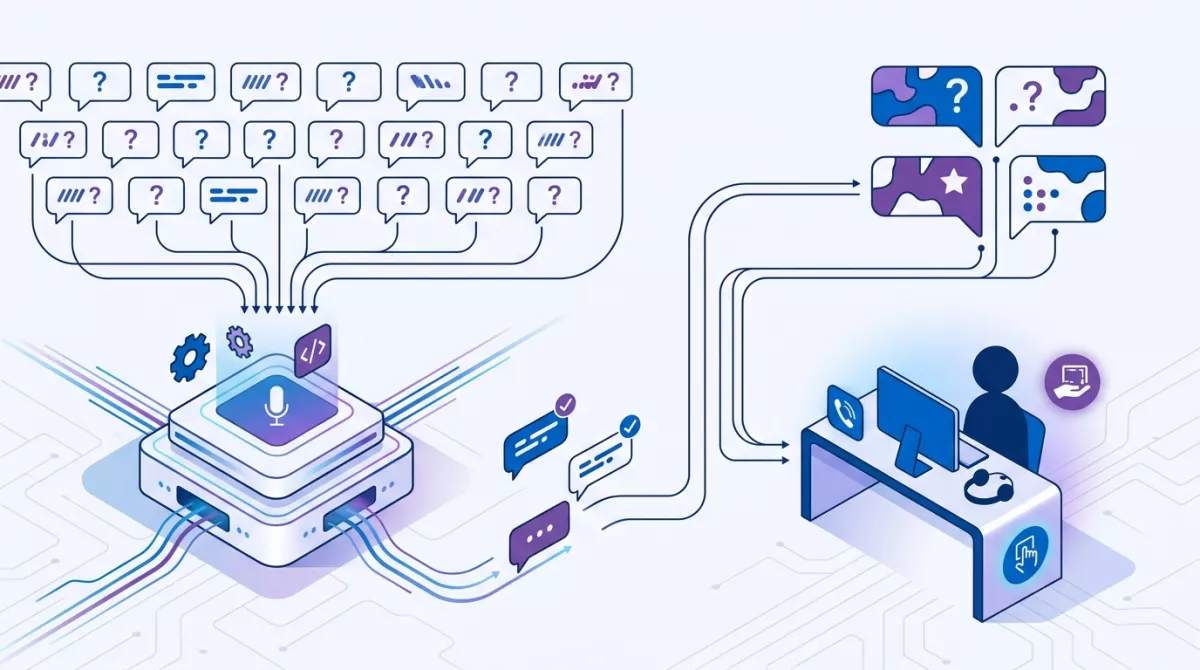
AI here is not about replacing people. It is about eliminating the queue of repeated questions. Roughly half the messages reaching a retail or service business are identical: how much, is it in stock, what is shipping to my city, where are you located, what are your hours.
An AI agent connected to your product and stock data answers all of that in seconds, around the clock, without misquoting a price. Humans then handle what genuinely needs humans: negotiation, sensitive complaints, and high-value deals.
One caution: AI is only as good as the data it reads. If your price list is messy, the AI will be confidently wrong. Clean the catalogue first, then switch automation on.
Official API or a regular number?
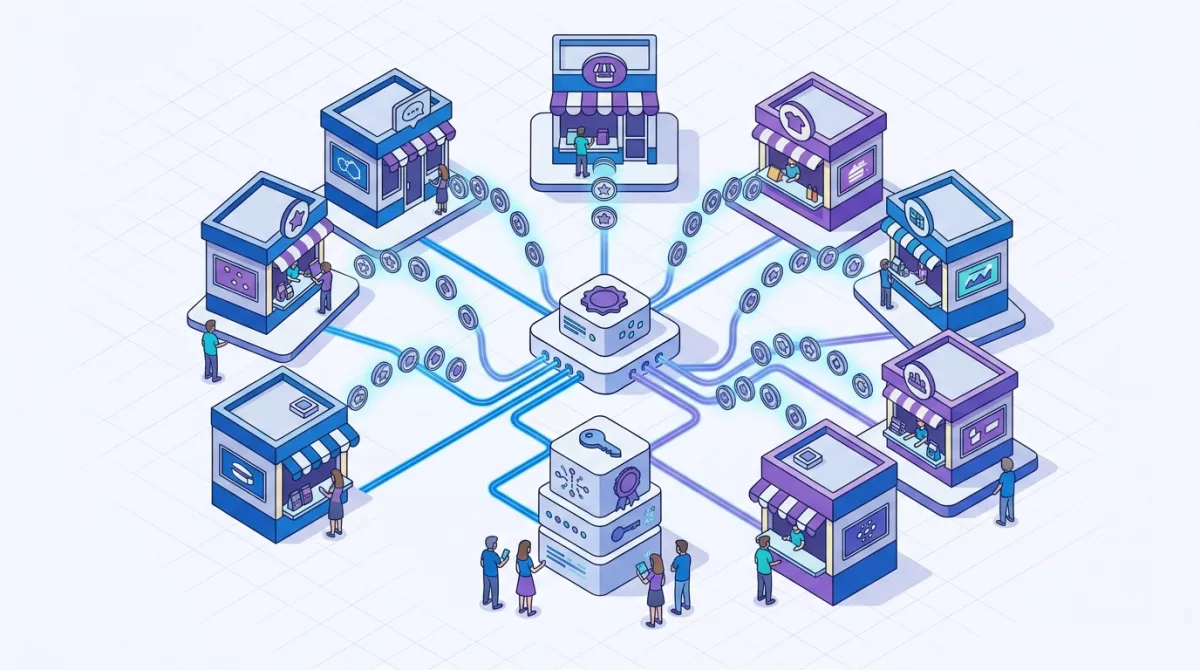
This question always comes up. The short answer: if your message volume is high, you have multiple agents, and you plan regular broadcasts, use the official WhatsApp Business API. The blocking risk is far lower and the features are legitimately built for scale.
A regular number still makes sense for very small, highly personal operations. But once your team grows and you begin sending bulk messages, the official route stops being a luxury and becomes a safety net.
Frequently Asked Questions
CSHub unifies WhatsApp, Instagram, Telegram, Messenger and LiveChat into one inbox, with a Kanban pipeline and an AI agent that can answer product questions and even create transactions.
Explore CSHub