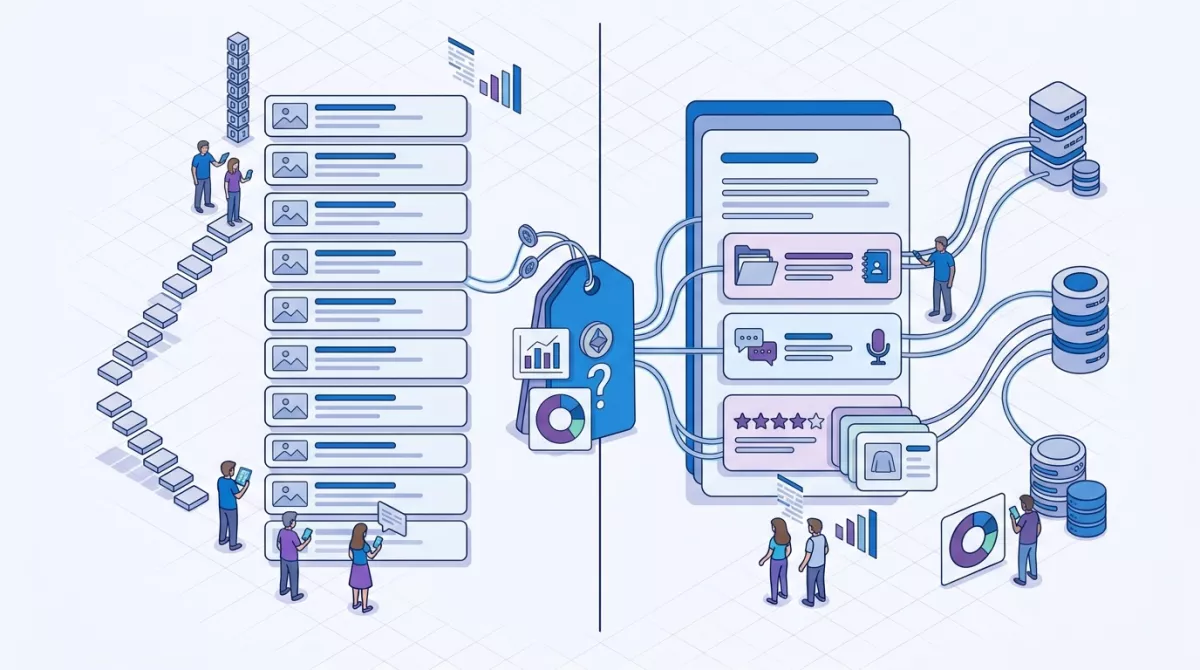



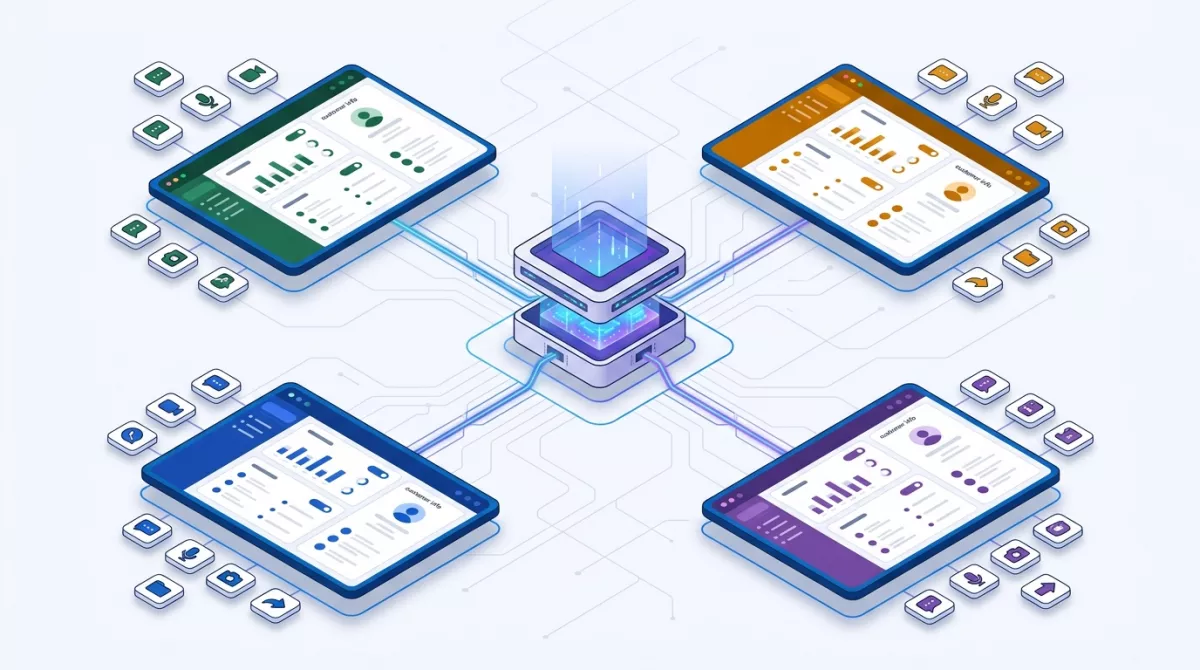
Building a CRM platform from scratch is a multi-year job. Not because the core features are hard, but because the invisible parts — the multi-tenant engine, data isolation, Meta API rate limits, realtime message queues — take far longer than anyone estimates.
WhatsCRM Hub is the shortcut past that. A production-ready omnichannel CRM platform: installed on your server, rebranded as your own, then run as your SaaS service.
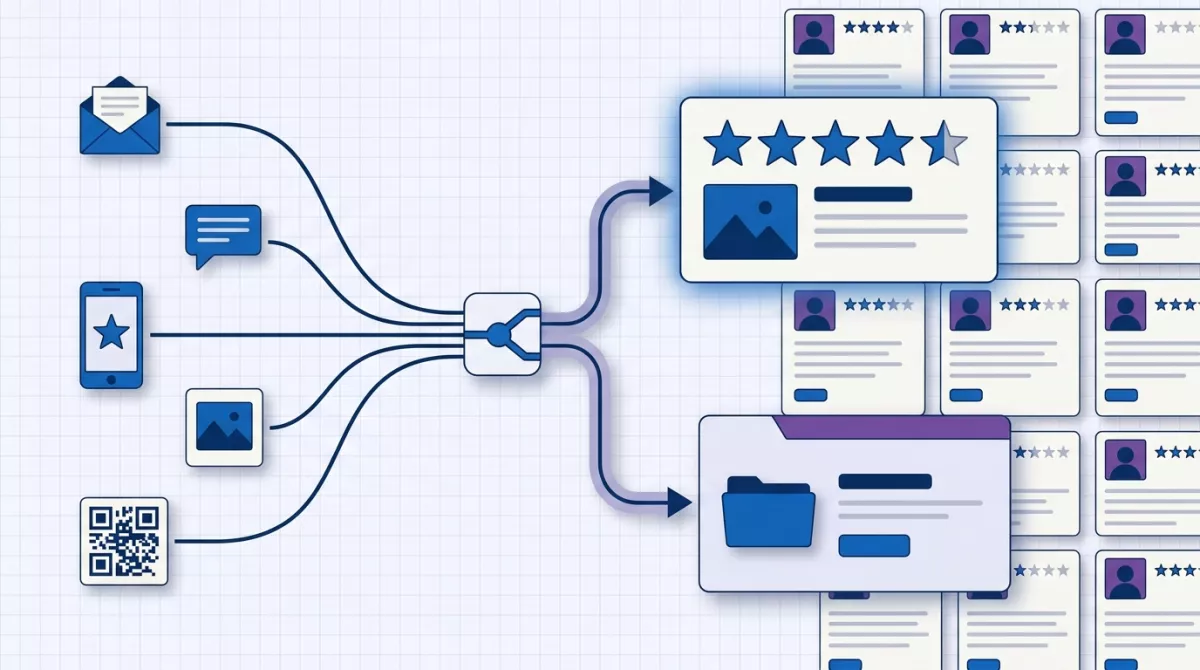
Every channel in one inbox
The platform unifies WhatsApp Multi-Device with no number limit, Meta's official WhatsApp Business API, Instagram Direct Message, Facebook Messenger, Telegram Bot, and a Live Chat Widget — all arriving in one central dashboard.
Supporting both WhatsApp routes at once is a practical advantage that often decides deals. Your customers can start on the quick-to-install multi-device route, then graduate to the official Business API once volume grows — without switching platforms.
AI that works for the team, not just for the demo
The important phrase is RAG training: the chatbot answers from documents you upload rather than from scripts written line by line. For a SaaS operator this means each tenant can hold its own knowledge base without you assembling it for them.
CRM, pipeline and growth tooling
Operationally there is a Kanban sales pipeline, a support ticket system, contact segmentation, mass broadcast, a link generator with agent rotation, and affiliate programme management. This combination is what lets the platform be sold as a complete selling system rather than a message-reply tool.
The multi-tenant engine: what turns it into a business
This is the most expensive component to build alone. The multi-tenant engine provides per-tenant data isolation, multi-business management, payment gateway integration and a web builder — so you can host unlimited customers on a single installation.
Why multi-tenancy decides the business model: Without proper data isolation you can only serve one client per installation, and operating cost rises with every customer. With multi-tenancy your cost stays relatively fixed while revenue grows per new customer.
Technical foundation
WhatsCRM Hub is built with Go and PostgreSQL: a realtime messaging engine, a light memory footprint, rate-limit protection for the Meta API, and readiness for multi-region scale-out. Choosing Go here is not decoration — realtime messaging workloads genuinely demand memory efficiency and high concurrency.
Three packages, three levels of ownership
| Package | Price | What you receive |
|---|---|---|
| Only System | IDR 7,500,000 one-time | The complete production-ready system, rebranded as yours |
| Full Source Code | IDR 25,000,000 one-time | Everything plus the Go engine and Vue 3 TypeScript admin source |
| Mobile App | IDR 10,000,000 one-time | Native iOS and Android apps, ready to publish under your name |
Only System fits when your goal is running a service rather than modifying a product. Full Source Code makes sense for software companies, agencies and engineering teams that want to build their own advantage on a proven foundation — including architecture documentation, internal API docs and periodic architecture reviews for one year.
A mobile app for field teams
WhatsCRM Hub Mobile is a native iOS and Android application connected to the platform through REST API and realtime WebSocket. Sales and support staff can reply, move deals across the Kanban board, monitor tickets and run broadcasts without opening a laptop.
The app name, icon, colours and splash screen can be fully replaced, then published to the App Store and Google Play under your business name. For a SaaS provider, owning a branded app in the stores is a differentiator competitors without one struggle to answer.
What you receive beyond the software
The package includes free VPS installation up to production readiness, onboarding by video call, six months of bug support, lifetime feature updates, a marketing kit and sales playbook, and access to the founder's Discord community.
Those last two are underrated and frequently decisive. Buying a platform does not automatically teach you how to sell it; the marketing kit and playbook compress the learning curve that usually consumes the first several months.
Frequently Asked Questions
Including per-package feature breakdowns, server requirements, and the rebranding path if you plan to resell it as your own SaaS service.
View WhatsCRM Hub