



Digital invitations are one of the easiest digital products to explain to a customer. They cost far less than printed cards, they travel by messaging app, and they can be revised up to the final day.
What is not easy is running it as a business rather than as a job. If every invitation means designing by hand and answering revisions one at a time, your income will always be capped by your working hours.
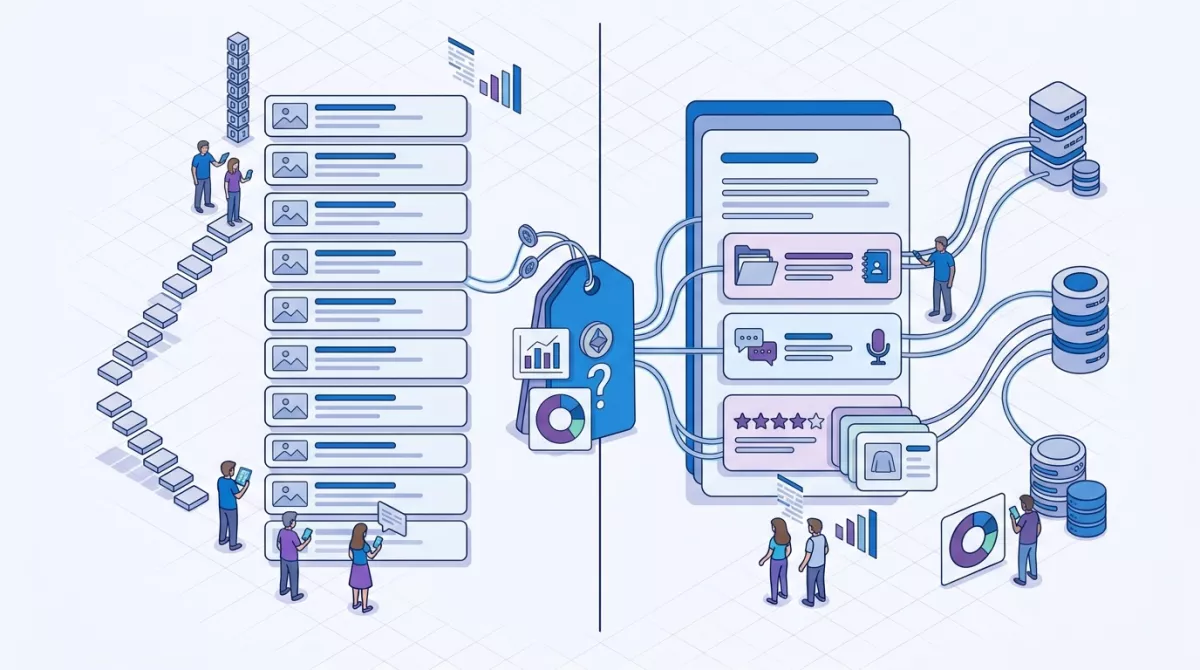
The core distinction: An invitation service sells your time. An invitation platform sells access. The first stops the moment you stop working; the second keeps running for as long as customers subscribe.
What InviteHub is
InviteHub is a digital invitation SaaS platform that lets you build an online invitation business without starting from zero. It ships with six premium invitation templates and customisation features, so you can begin renting the service to customers immediately.
Six premium templates as a starting point
You begin with six professional invitation designs, from elegant weddings to formal occasions. All are optimised for mobile and desktop — which matters because most guests will open the invitation on a phone screen rather than a computer.
Customers do the customising, not you
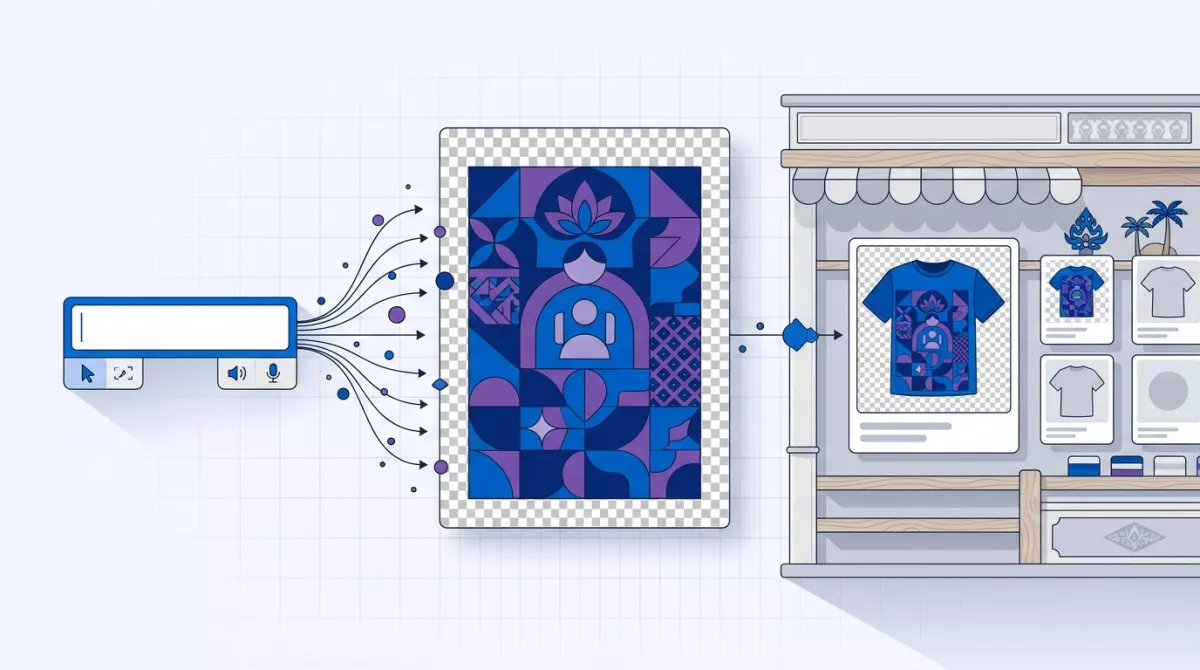
This is what separates InviteHub from a folder of templates. Renting customers do not merely choose a design — they can customise the invitation themselves: colours, photos, text, music, RSVP and more.
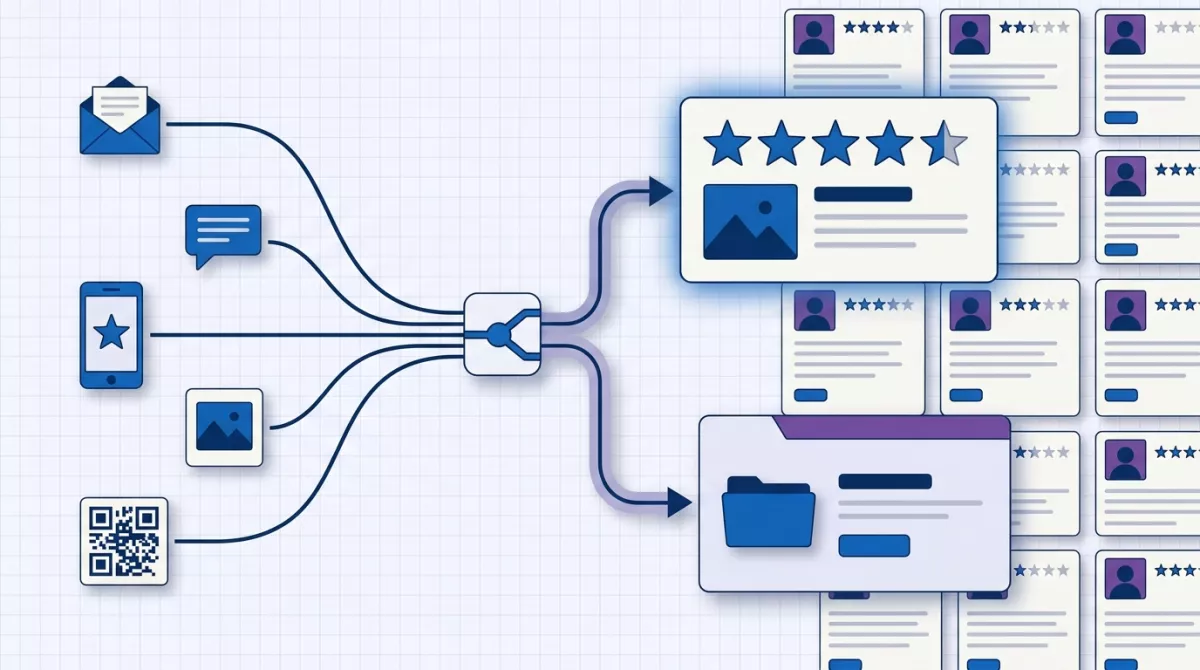
The effect lands directly on your business model. Support load drops sharply because customers can serve themselves, and that is the precondition for one person serving hundreds of customers without drowning.
Business model: who your customers can be
You can rent the platform directly to couples, to event organisers who need invitations for their own clients, to companies running events, and to freelance invitation designers who want a system without building one.
These four segments behave differently. Couples buy once at a small value but in large numbers; event organisers and companies buy repeatedly at a higher value. Combining both is usually what makes revenue steady.
Why the market makes sense
The digital invitation industry keeps growing for very practical reasons: cost per invitation is far below print, distribution is instant, and revisions cost nothing. More people keep switching, and the platform provider is positioned to capture that trend repeatedly rather than once per event.
Technology and ownership
InviteHub is built with Laravel, the most widely used PHP framework in the region. That means it is straightforward to customise, straightforward to extend with new templates, and straightforward to connect to local payment gateways — and, just as importantly, easy to find developers for if you later want to grow it yourself.
It is sold as source code for IDR 5,000,000 as a one-time payment. Because you hold the code, nobody else can raise your subscription cost or shut the service down on you later.
A realistic way to start
- Set your rental pricing first. Most providers use three tiers: a basic package, one with RSVP and gallery, and a premium package with a custom domain.
- Prepare six sample invitations with clean fictional data. Customers buy from examples, not from feature lists.
- Keep the ordering flow simple. One link, one form, one payment. Every extra step costs conversion.
- Build a distribution channel. Digital invitations almost always sell through recommendation and visual content rather than search advertising.
- Add templates gradually. Every new template is a fresh reason for past customers to recommend you.
Frequently Asked Questions
Including the template list, the scope of customer-side customisation, and the technical points to prepare before you start renting it out.
View InviteHub