


Selling courses online looks simple until you actually run it. Video can live anywhere. The hard part is everything around it: payments, assessment, certificates, affiliate commission, and splitting revenue with instructors.
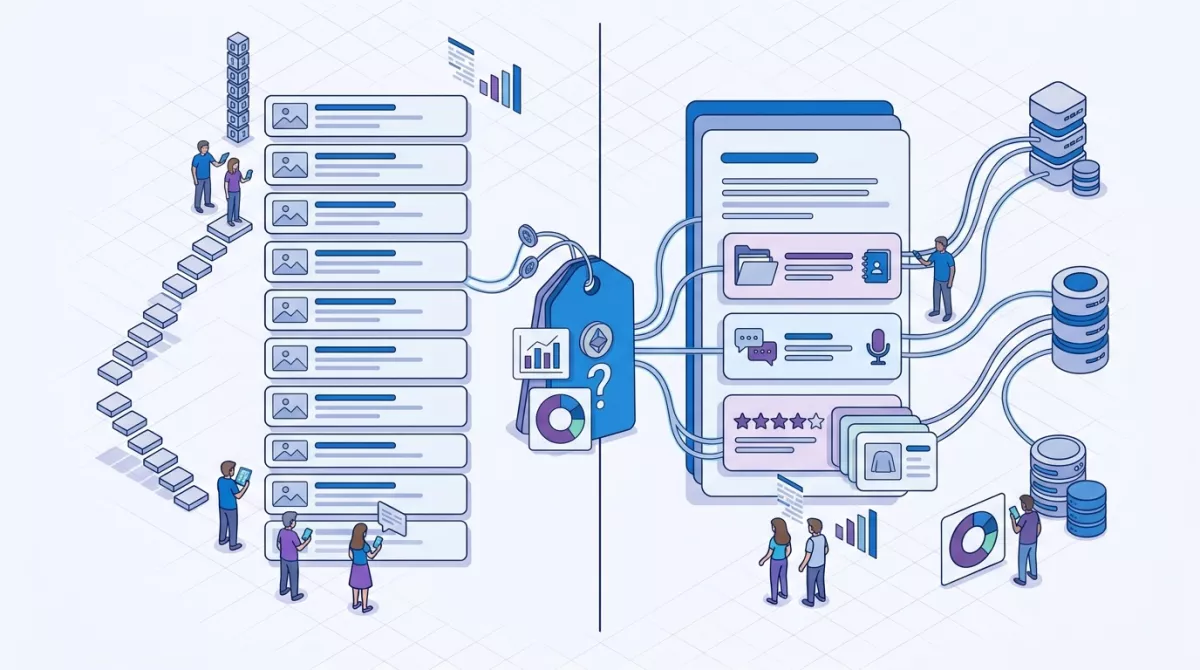
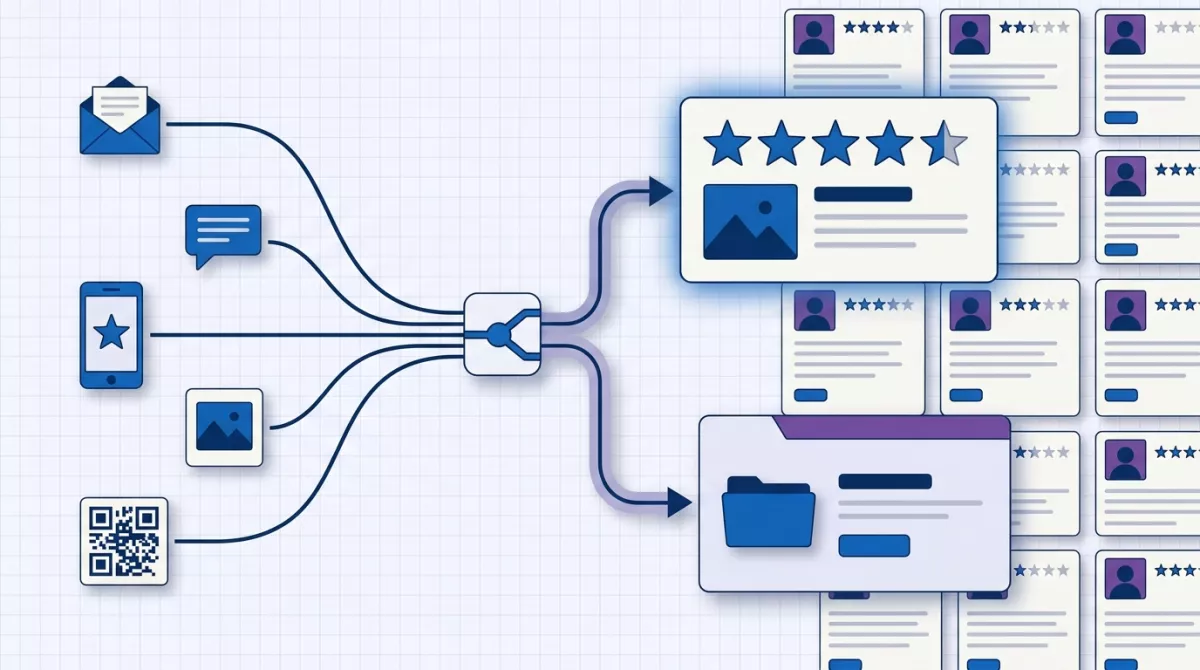
LMS Hub was built for that layer. Two faces stand on one module base: a public storefront that turns visitors into students, and a locked dashboard where ten roles learn, teach, bill and audit. The rating shown publicly is the same aggregate the instructor sees — there is no second CMS to keep in sync.
Ten roles with per-person permissions
The roles cover super admin, director, chair, supervisor, operations admin, instructor, teaching assistant, marketing or affiliate, student, and sub-user. What separates it from most systems is that permissions are not hard-locked to the role.
When creating a user, the role merely pre-fills a checklist of module by action — view, add, edit, delete — and each tick can then be adjusted per person. Two rules keep it safe: a creator cannot grant rights beyond their own, and the “own data” scope is enforced at the SQL level rather than merely hidden in the interface.
From curriculum to certificate
The curriculum builder arranges reorderable sections and lessons with video, rich text, PDF or embedded content. A lesson can be marked as a free preview and played on the public page without an account — the cheapest way to lift conversion without giving away the full course.
The course player stores watch position in seconds on the server, so study resumes on another device at exactly the point it stopped.
Assessment that survives the real world
Why these details matter: Most complaints about course platforms are not about missing features. They are about attempts lost to a dropped signal, and grades changed without a trace. Both are handled structurally here.
Two payment routes
Midtrans Snap handles cards, e-wallets and virtual accounts, with SHA-512 signed, idempotent webhooks so duplicate notifications never duplicate access. Alternatively, manual bank transfer with admin verification is fully complete and requires no gateway account at all.
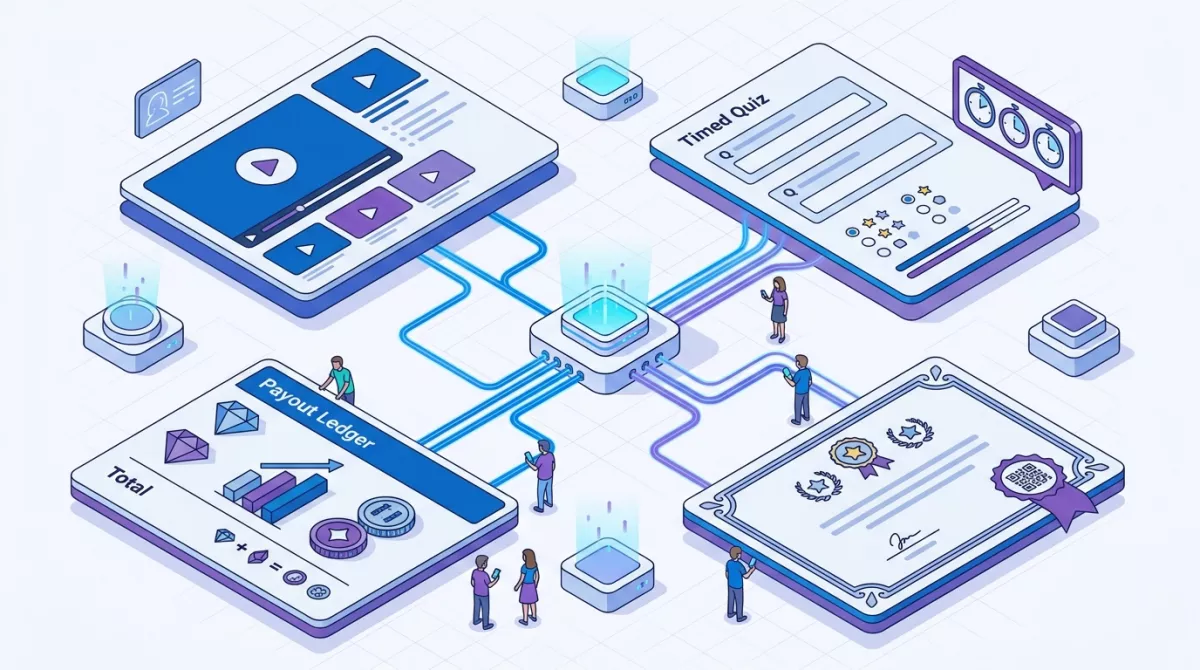
A single verification click creates the enrolment, the instructor revenue share and the affiliate commission together inside one database transaction. It sounds like a small technical detail, but it is exactly what prevents the classic failure: the student is enrolled while the commission was never recorded.
Live classes, certificates and the money side
Live sessions run through Zoom or BigBlueButton with attendance recorded, and recordings can be published as permanent lessons. Certificates are self-service: once progress, grade and attendance thresholds are met, the student issues their own, complete with a public verification QR anyone can scan without an account.
On the business side there are referral links and a lead pipeline for agents, a commission engine, cash-flow reporting, and staged instructor payouts with a request, approve then disburse flow — all recorded in the audit log with both old and new values.
Four languages and any currency
English, Indonesian, Arabic and Hindi are supported, with Arabic flipping the entire layout right to left rather than just the text. Currency follows a single ISO 4217 code chosen by the institution.
The mobile app: one app, two roles
LMS Hub Mobile is not two separate apps. On login the app asks the server who the person is, then builds matching navigation: students get five learning tabs, instructors get five teaching tabs. An account holding both roles can switch modes without logging out.
The role is never chosen inside the app — the server decides, and every request is still verified on the backend. Tokens live in the device's secure storage and refresh quietly in the background, so users are not thrown to the login screen mid-quiz.
Built with Flutter for Android and iOS from one codebase, covering twenty-five screens, and shipped with three PDF manuals: system specification, build and store release guide, and an illustrated usage guide. It requires the LMS Hub backend, which is sold separately.
Frequently Asked Questions
Including the ten-role coverage, assessment flow, instructor payout scheme, and the server requirements to run it.
View LMS Hub