


Almost every business owner already knows the business has to go digital. The problem is not awareness — the problem is sequence.
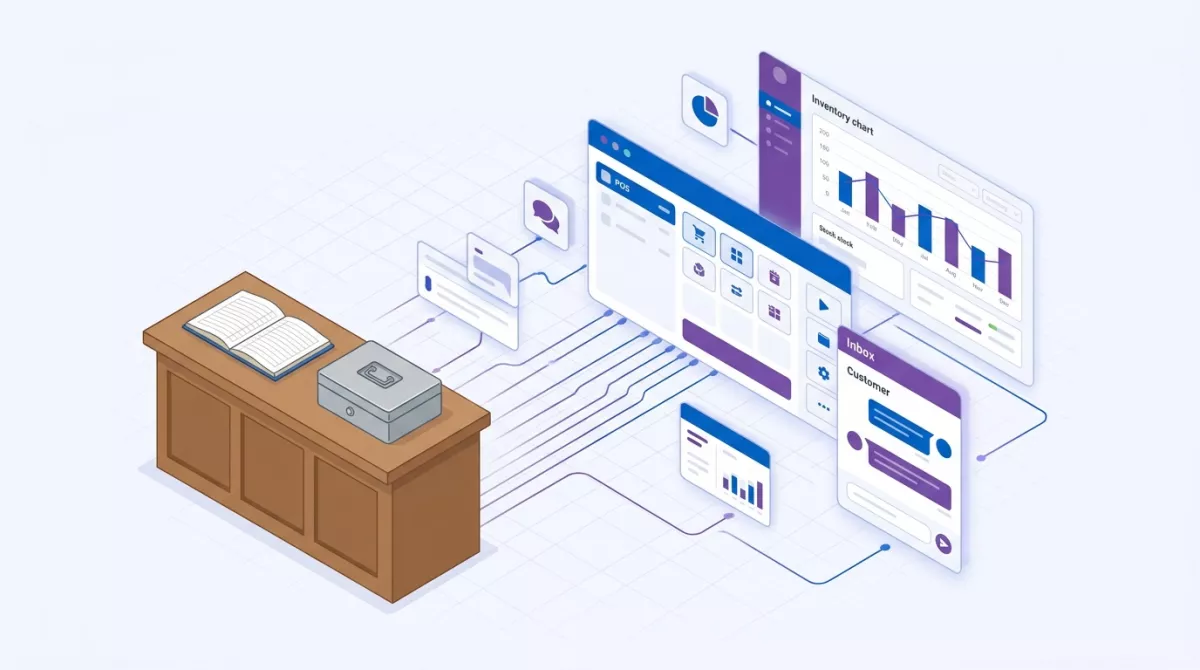
The pattern is familiar: this month you buy a POS because it was on sale, next month you subscribe to a chat tool because your admin is drowning, next year you build a website because a competitor has one. A year later you own five systems that do not talk to each other, and your monthly report is still assembled by hand in a spreadsheet.
Failed digitalization almost always shares one root cause: it starts with tools instead of process. Software only amplifies what already exists. If the process is messy, what you buy is faster, more expensive chaos.
The core principle: Never digitalize a broken process. Redraw the workflow on paper first, then find a system that follows it. Good software follows the way you work, not the other way around.
Fix the process and the master data
Before touching any application, rewrite the three core flows of your business: order in to goods out, money in to money recorded, and stock in to stock consumed. One page per flow is enough.
This is where the invisible becomes visible: who actually approves discounts, where stock discrepancies begin, and how many steps could simply be deleted. Most owners are surprised to find a third of their steps are leftovers from habits that no longer serve anyone.
Warning: Skipping this phase is the number one reason system rollouts fail. Dirty starting data follows you forever, and six months later you will blame the software.
Install one core system — only one
The second phase is choosing a single system that becomes the source of truth for transactions. For retail and F&B that is usually the point of sale. For services and wholesale that sell through chat, it is usually the CRM.
The temptation here is to buy the package with the longest feature list. Resist it. What you need is the system that will be used every single day by the busiest person on your team. A feature unused in the first thirty days will usually never be used at all.
| Business type | Core system to install first | Sign it is working |
|---|---|---|
| Retail, convenience, F&B | POS with stock management and multi-unit support | Monthly stock discrepancy drops sharply |
| Wholesale & distribution | POS with customer price tiers | Tier pricing stops being entered incorrectly |
| Services and chat-driven sales | Omnichannel CRM with a pipeline | No customer message goes unanswered |
| Courses and training | LMS with automated payments | Enrollment and payment run without manual admin |
| Tourism, venues, attractions | Online ticketing and booking | Shorter queues, visitor data finally captured |
Connect systems instead of stacking them
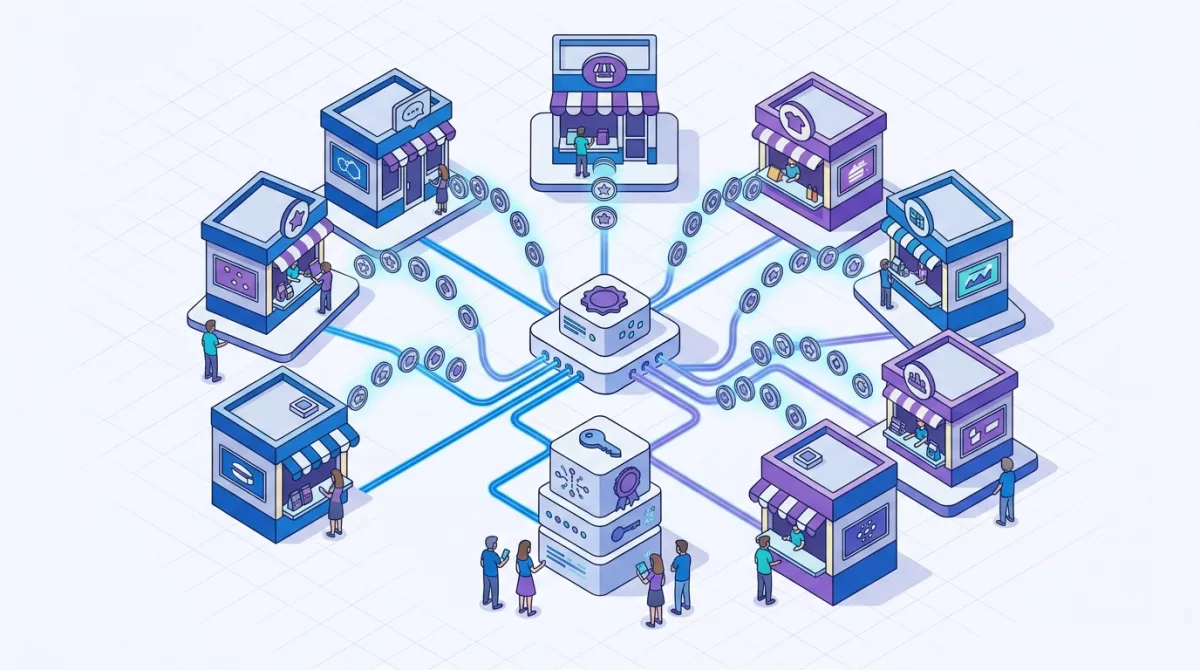
Once the core system has been stable for about a month, add the second one — with a single condition: it must connect. The POS must feed the financial report. The CRM must be able to read stock. The website must drop orders into the same system.
This is where hidden costs appear. A cheap but closed system quietly forces you to pay someone to copy data between applications forever. Count that salary as part of the system price, because that is exactly what it is.
The question every vendor must answer: “Does this system have an open API, and may I export all of my data at any time in a standard format?” If the answer is evasive, that is your answer.
Automate and measure
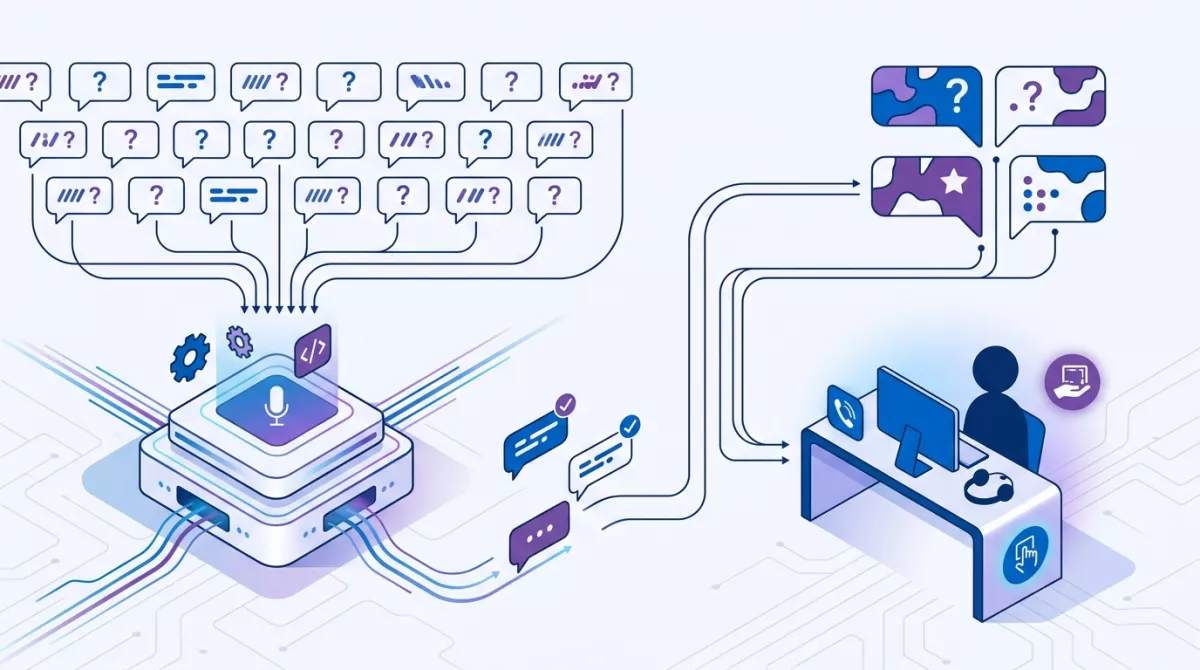
The final phase is the one owners feel most: turning repetitive work into automatic work. First replies to customers, payment reminders, daily reports that arrive on their own, low-stock alerts, follow-ups to customers who have gone quiet.
Equally important, start measuring. The three numbers to review weekly are margin per product, response time to customers, and stock turnover. A good system shows all three without you opening a spreadsheet.
How to calculate payback
The formula is simple, so keep it simple. Add three things: hours saved per month multiplied by your labour cost per hour, plus the leakage that stops (stock discrepancies, wrong pricing, uncontrolled discounts), plus extra sales from orders you previously missed.
Divide the total system cost by that monthly figure and you get your payback period. Under twelve months is an easy decision. Over twenty-four months means the system is too expensive, or your business is not yet big enough for it.
Frequently Asked Questions
The MDH team maps your business process first, then recommends the system you actually need — not the most expensive one. Initial consultation is free.
Get a Free Consultation